
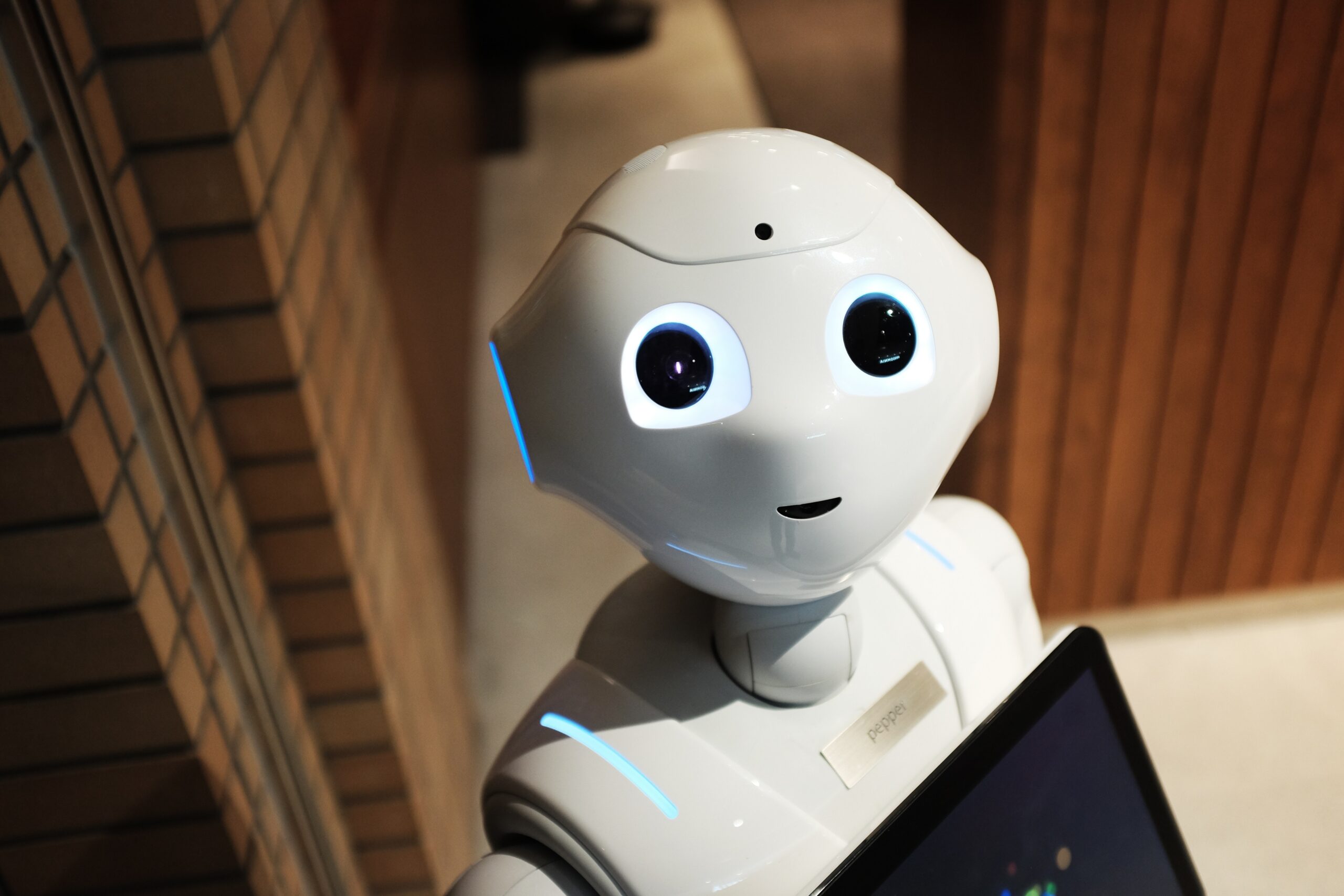
Artificial intelligence is becoming more and more popular in today’s society. One of the main reasons for this trend is how it is changing the way we do business. AI can automate many tasks, including customer service, data entry, and even negotiation. With AI entering more industries than ever before, will humans soon become obsolete? There are still some essential tasks that only humans can do. Here are some ways that the impact of AI will help- not replace- human professionals in the workplace.
AI and the Future of Human Professionals
AI is a valuable asset that can be used to take on jobs that are extremely labour intensive. For example, many companies have implemented AI in their customer service departments. This has helped them focus on other aspects of their business while also making customer service more accessible and more efficient.
AI in its current iteration will not replace the human workforce, but it will make specific tasks easier for human professionals. In the future, human professionals will be able to focus on other aspects of their job thanks to the help of AI. For example, a data entry professional will work faster thanks to AI’s help with that task.
Instead of having a data entry professional spend a significant amount of time on a single task, they would focus on tasks that only humans can do. This would allow them to do their job more efficiently and with less stress.
The Impact of AI on the Workforce
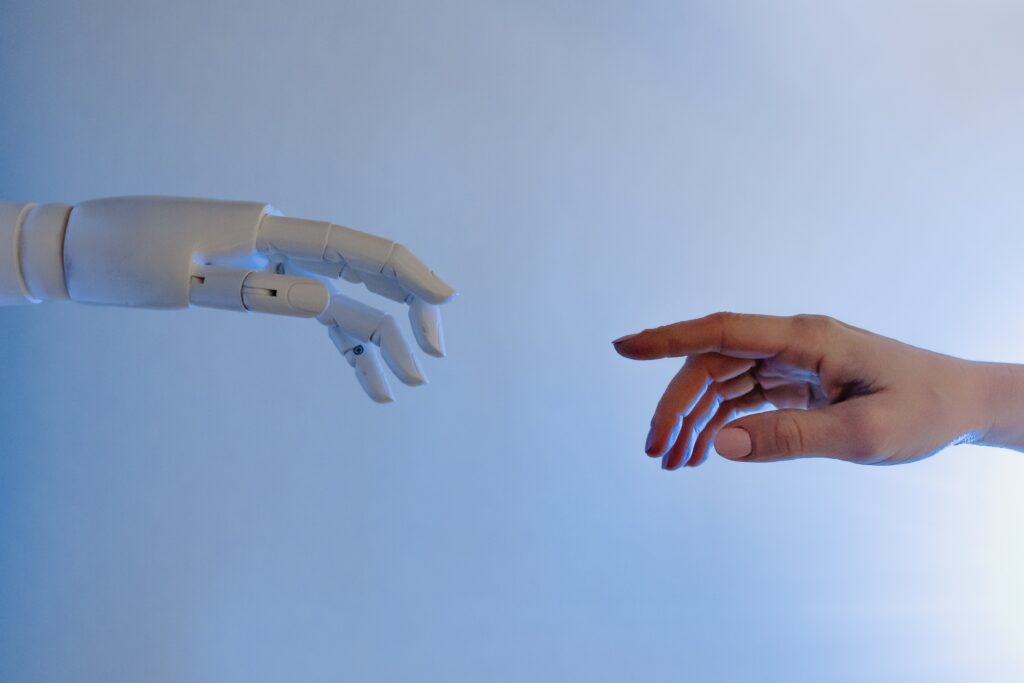
AI will not replace humans in the workforce- it will support them. AI will never be able to do everything that humans can do. Humans are still needed for tasks like creativity, decision-making, and problem-solving. However, AI will help humans do their jobs more efficiently.
There is no guarantee that AI will replace human workers shortly. There are still many jobs that only humans can, and should, do. But the impact of AI will make it easier for humans to perform these tasks. For example, chatbots can answer customer service questions, freeing humans to work on more complex issues.
AI can also be a form of collaboration between humans and machines. AI can learn from a human’s previous decisions and offer recommendations for similar scenarios.
AI will not replace human professionals in the workplace; it will significantly impact what jobs are available and how they are done.
AI and Jobs
Jobs, of course, are one of the most crucial topics when it comes to the discussion of AI. As the fear of automation looms over many industries, many wonder how AI will affect the workforce.
AI is a double-edged sword. It is a tool that can be used to create more efficient workplaces and streamline tasks, but it can also lead to a significant loss of jobs.
It’s not as black and white as “AI will take over the world” or “AI will never displace humans in the workforce.” In reality, the future of AI is uncertain. AI will undoubtedly take over some jobs, but some will be performed better by humans.
Some people might argue that a few AI-based customer service agents could replace a whole team of service reps. However, Oxford University found that AI-based agents have a lot more trouble understanding customer issues and have a 40% failure rate in solving customer problems.
Therefore, although AI can replace some jobs, there are specific tasks that only humans can do. For example, doctors will still need to diagnose patients, and surgeons will still need to operate on them.
How AI can be used to create new jobs

With artificial intelligence creating new tasks in the workplace, it’s important to remember that AI will not replace humans. Empathizing with customers or providing creative solutions to complex problems are jobs that only humans can do.
One way AI will help support human professionals is by making them more efficient at their tasks. AI can be used to automate many tasks, freeing employees to focus on the tasks only they can do.
Another way the impact of AI will help is by assisting professionals with the tedious tasks of their responsibilities. For example, data entry can be a time-consuming and challenging task for human professionals. Artificial intelligence can handle these tasks- freeing up employees to focus on more important work.
AI applications are becoming increasingly popular in business. The more humans work with AI, the more they will become experts in their fields, leading to a better understanding of what each profession requires.
Conclusion
With the rise of AI, many people are concerned about the future of humans in the workplace. Will AI cause human workers to become obsolete?
The answer is no. While the impact of AI will undoubtedly change the way people work, it will not replace humans. There are many tasks that only humans can do, such as creativity, problem-solving, and brainstorming. Plus, there are also still some tasks that only humans can undertake, such as driving cars.
AI is here to help people do their jobs better- not replace them. The future of workers is bright. We will see a future where AI does more to help humans do their jobs better rather than take their jobs away.