
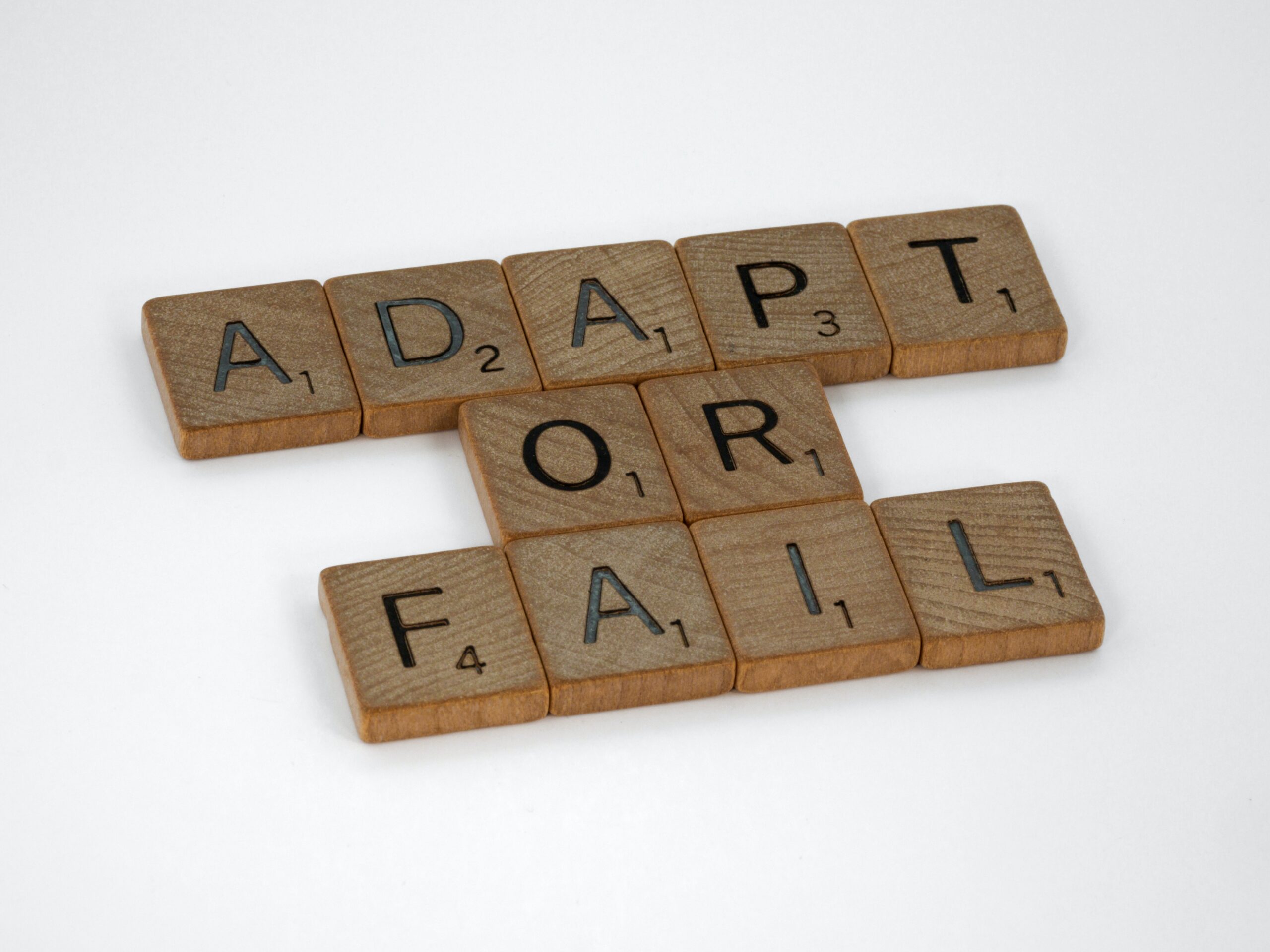
Being adaptable in business means adjusting to new circumstances and changing your strategies in response to unforeseen challenges. You might think this isn’t necessary for a business — after all, you know exactly what you want to achieve and how you will do it. But that doesn’t mean things won’t take an unexpected turn somewhere along the way. In business, being adaptable is crucial because even if you have a solid plan and everything goes according to it, there will always be unforeseeable events that challenge your thinking. Becoming more adaptable as a company means pivoting when necessary, changing gears when needed and embracing new opportunities with ease.
Why Being Adaptable in Business is so Important
When we look at the businesses that have been most successful over the years, the common theme among them is their ability to adapt to new circumstances. Often, this adaptation is unconscious — it proves to be an innate ability for organisations to change and morph according to demand and new information. In other words, being adaptable is vital for all companies, no matter how successful they currently are. The sooner you learn how to be more flexible, the better off your company will be. Adaptability is crucial to business success because it allows companies to stay relevant in a quickly changing environment. A company that cannot change with the times is guaranteed to fail, no matter how well-intentioned the original ideas were.
Changing Consumer Behaviour
Many businesses have to deal with regular changes in consumer behaviour. These can stem from several different sources, including new technologies, shifting cultural norms, and the rise of new competitors. When consumers’ behaviours change, this can directly impact your business. This can happen because the consumers who were once interested in your product now have different needs. Let’s look at an example to see how this might work.
When Netflix started, they were simply a video rental company — they let people rent DVDs and then return them. Their business model was a straightforward one, and it worked well. Consumers were happy because they could get whatever movies they wanted whenever they wanted. Netflix was pleased because the model was profitable.
Before, when people wanted to watch a movie, they would head to their nearest video store and rent the DVD. However, as time passed, technology advanced, and Netflix realised consumers were more inclined to stream movies and TV shows online. This change in consumer behaviour required Netflix to change with it.
Now, with streaming services like Netflix, Hulu, and Amazon Prime, consumers can watch the same movies and TV shows from the comfort of their living room or on the go. This required Netflix to change its business model. With streaming, they could offer a wider variety of content, and they didn’t have to worry about people returning items.
Evolving Markets and Technology

What makes businesses so fascinating is how they constantly evolve to suit the needs of the people they serve. A business that doesn’t change with the times is a business that won’t last long in the modern world. Because of this, most industries are constantly evolving. It’s rare for a sector to remain precisely the same over the course of years — new technologies and ways of doing things are constantly emerging.
A great example of this is the technological advancements in the healthcare sector over the past few decades. It used to be that patients would go to their local doctor’s office, wait for their appointment, and then have their condition diagnosed. Now, with the rise of services like Medicare and Telemedicine, patients can receive medical attention from the comfort of their homes with the help of a computer and an app. Now, it’s important to note that these changes don’t happen overnight. In fact, most industries move at a snail’s pace, with new technologies emerging every few decades. This gives businesses plenty of time to adjust. New technologies might threaten your business model, but they also give you ample opportunity to pivot and change your strategy to stay afloat.
Organisational Change
As your company grows, you’re bound to experience changes in the organisational structure — this is normal. However, sometimes, these changes are unexpected, creating a situation where your strategy needs to be adapted to fit the new circumstances.
When your company goes through an organisational transition, it’s crucial that you quickly adapt your strategy and make sure everything stays on track. This could mean adding new departments or changing how your existing departments function. Most often, organisational changes happen because of internal reasons — the company grows and needs more structure, or top-level executives decide they want to make changes to serve their customers better.
If you fail to do this, you could end up hurting the company instead of helping it. For example, let’s say that your company has five departments, but as you grow, you decide to add a sixth, so you reorganise all of the departments to incorporate the new one. If you don’t change your strategies to reflect the organisational structure changes, you could create more problems than you solve.
Wrapping Up
Regarding strategy, it’s always better to be safe than sorry — this is true no matter how confident you are in your original ideas. The more you’re able to be adaptable in business to meet changing circumstances, the better off your company will be. If something unexpected happens, you want to be able to respond quickly and pivot your strategy so that you aren’t negatively affected by the change. It’s impossible to predict everything that will happen in the business world, but it is possible to be prepared for everything. To do this, you need to be able to identify potential threats and know how to respond to them quickly and effectively. If you can do this, you’re well on your way to success in business.