
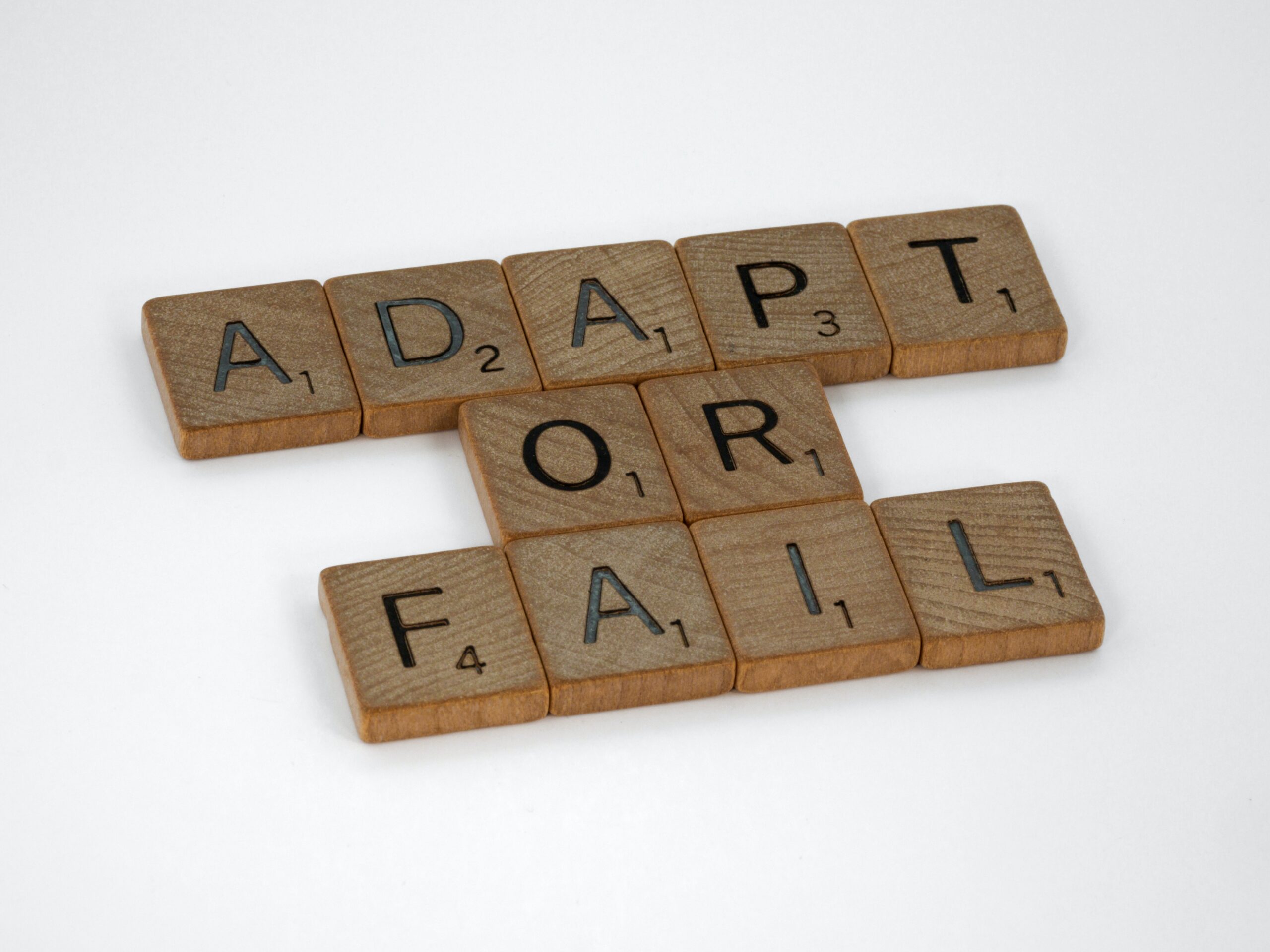
It isn’t just noise fatigue. It’s distrust. After years of chasing reach, most audiences have hit saturation point — they’ve seen enough “thought leaders” and viral hacks to last a lifetime. What cuts through now isn’t scale, but substance. The brands that keep winning aren’t the loudest. They’re the ones people quietly trust.
When clicks stopped converting to confidence
Virality used to be the metric. Shares equalled influence; engagement meant reach. Then feeds turned into battlegrounds of misinformation, paid opinions, and algorithmic spin. The trust line snapped.
Two things pushed it there. First, a cultural shift: the 2025 Edelman Trust Barometer shows around seven in ten people believe government officials, business leaders, and journalists “purposely mislead” the public — not the vibe you want when you’re asking for attention or money. (edelman.com)
Second, a marketing reality: recommendation still beats advertising. Nielsen’s long-running trust research consistently finds people trust recommendations from people they know far more than paid media. (Their 2021 global read has it at 88%, which is directionally stable even if the exact number floats year to year.) (Nielsen)
Attention, then, isn’t trust. And attention without trust doesn’t sell.
The algorithmic hangover
A decade of growth hacks taught companies to optimise for what the platform wanted, not what the customer needed. Then AI flooded the zone with content. Result: sceptical readers, cautious buyers.
Accenture’s Life Trends 2025 flags the mood clearly: over half of people say they’re now questioning the online content they’re served, and 62% say trust is a key factor when choosing whether to engage with a brand. That’s the ballgame. (newsroom.accenture.com)
Virality isn’t a proxy for credibility anymore; if anything, it’s a red flag until proven otherwise.
Proof over presence
In B2B especially, decision-makers are tuning out chest-beating and leaning into evidence. The Edelman–LinkedIn 2024 Thought Leadership Impact Report (3,500 decision-makers across seven countries) shows well-sourced, substantive thought leadership moves out-of-market buyers back into consideration — because it gives them usable signal, not slogans. (edelman.com)
On the format side, quiet keeps compounding. Demand Gen Report data (summarised by LinkedIn) shows 72% of buyers consume at least three pieces of content before talking to sales. Translation: your “one viral post” is less important than the stack — consistent, credible artefacts buyers can check when you’re not in the room. (linkedin.com)
When brands talk less but mean more
Look at how restraint has become a strategy. Less puff, more receipts. In beauty and consumer, the shift is visible in the creator mix: engagement has drifted away from mega accounts; micro and nano creators often earn higher engagement because their content reads as more authentic (Traackr’s data, covered by Vogue Business). The lesson for brands: borrowed virality is less persuasive than credible community. (Vogue Business)
And in corporate comms, transparency is edging out hype. Edelman’s 2024 theme was literally “innovation management” — publics think innovation is poorly managed and want to see the workings, not just the launch video. If your claim needs a footnote, give it one. (edelman.com)
The business case for credibility (not just the ethics)
Trust is now a performance variable. Accenture’s consumer research finds customers who trust a company are 54% more likely to buy again and 73% more likely to recommend — the compounding behaviours that drive durable growth. That’s not a vibe; it’s a funnel. (accenture.com)
Meanwhile, in the content ecosystem, audiences are actively choosing models that feel more accountable: Substack reports 5M+ paid subscriptions and 35M+ total active subscriptions in 2025 — smaller numbers than social, but with intent baked in. Depth over dopamine. (tubefilter.com)
How to rebuild credibility (without dressing it up as a campaign)
This isn’t a checklist; it’s a posture. Still, patterns keep showing up in organisations that earn trust and keep it:
- Start with evidence, not adjectives
- If you claim impact, publish the method. If you claim sustainability, publish the audits. You know this. Do it anyway. (It’s also what moves buyers, per the Edelman–LinkedIn study.) (edelman.com)
- Put names to claims
- Anonymous “brand voice” posts don’t build authority like bylined, accountable humans do. In B2B, author credibility carries into the sales call — because decision-makers are hiring judgement, not just features. (edelman.com)
- Consistency beats spectacle
- Three useful pieces that hold up under scrutiny beat thirty splashy clips. (And yes, buyers read multiple assets before raising a hand.) (linkedin.com)
- Disclose bias
- If you’re citing a partner’s data, say so. If your “study” is a customer list in disguise, say that too. Paradoxically, disclosure raises credibility because it gives readers the context to judge quality. (Again: people question content now; make that job easier.) (newsroom.accenture.com)
- Make your content verifiable
- Adopt provenance tooling. Content Credentials (the C2PA/CAI standard) add tamper-evident metadata to creative assets — a “nutrition label” for where it came from and how it was made. Not sexy. Very useful. (contentauthenticity.org)
Where credibility and technology intersect
AI didn’t just flood feeds; it also handed teams better ways to be accountable. Provenance tags. Signed assets. Traceable edits. If you’re investing in content scale, invest in verifiability at the same time — before regulators or platforms make it mandatory.
Adobe’s work with Content Credentials shows the path: standardised, persistent metadata that travels with the file, signalling who created it, when it was changed, and whether AI was used. That’s not marketing — it’s infrastructure for trust. (Adobe Help Center)
Here’s the uncomfortable part. Credibility costs you in the short term. It slows launches. It forces scope cuts. It makes you publish the awkward charts. But markets increasingly reward it. Trust drives repeat and recommendation; noisy reach doesn’t. And the broader trust climate is getting harsher, not easier — remember that seven-in-ten “leaders mislead” sentiment. You don’t fight that with swagger. You fight it with proof. (accenture.com)
The slow content rebellion (and why it works)
Audiences are voting for depth with their time and wallets. Newsletters, long-form explainers, well-researched posts — fewer pieces, more signal. Platforms built around attention you own (email, direct subscriptions) are growing precisely because the algorithmic feed isn’t trusted to deliver the truth. Substack’s 2025 numbers don’t say “mass media.” They say “engaged media.” Useful for brands that want qualified attention, not just raw impressions. (tubefilter.com)
What to do on Monday
Skip the splashy manifesto. Ship boring, checkable artefacts:
- Evidence-led pages that cite methods and link to data.
- Bylined explainers from people who actually do the work.
- Case studies with constraints and failures included (buyers can tell when you scrub the story).
- Provenance-tagged assets via Content Credentials, so your visuals aren’t just pretty — they’re verifiable. (contentauthenticity.org)
Then give it time. Credibility compounds the way interest does — slowly, then all at once.
One last tension worth keeping
Brands still chasing virality will sometimes outperform you in the short term. They’ll look louder. Brighter. Then they’ll hit the trust wall. If your house is built on proof, not performance theatre, you’ll still be there when the spike fades.
Trust isn’t a campaign. It’s an operating system.