
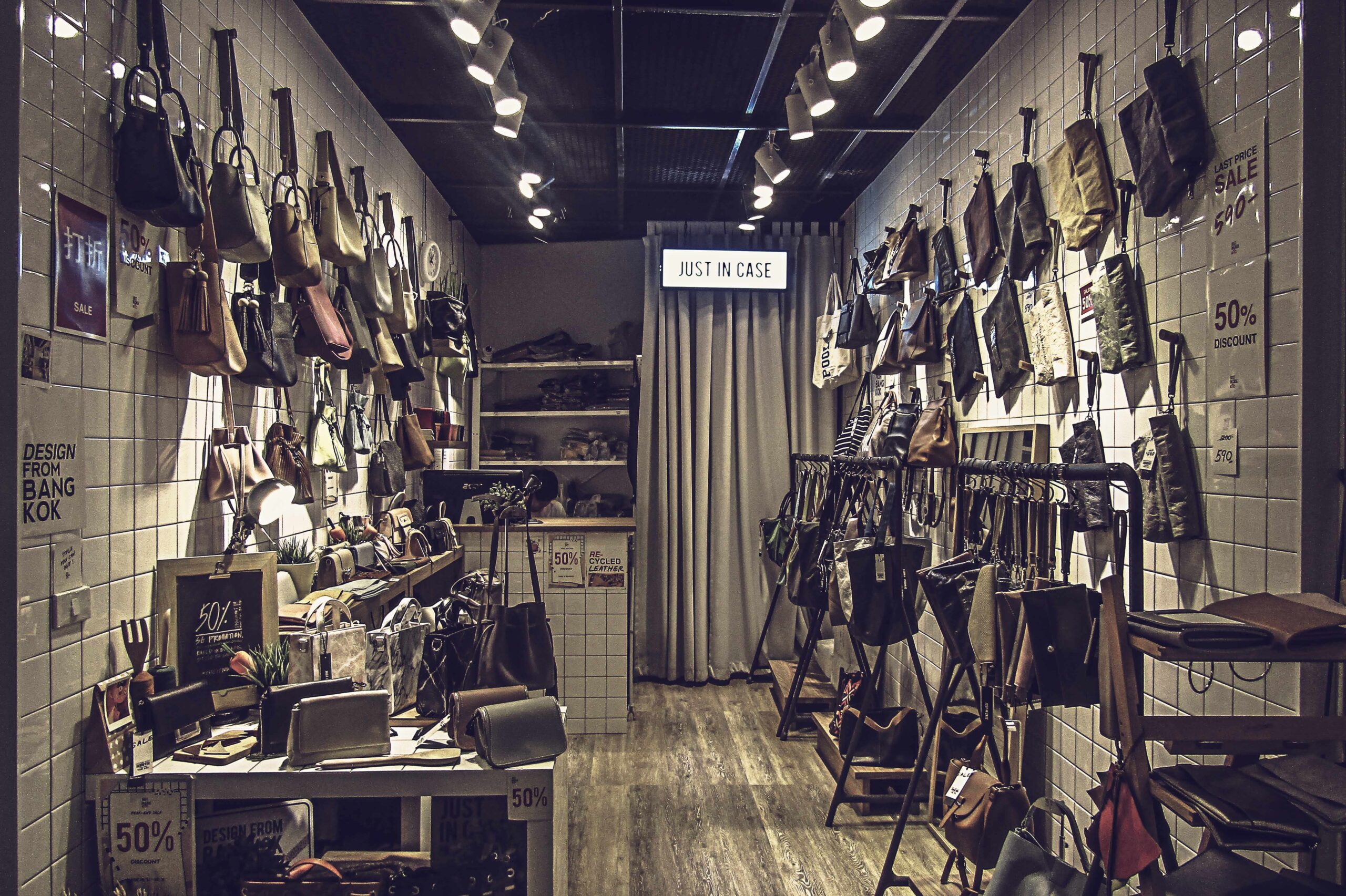
Since before Covid, the UK high street has been struggling to compete with the power that is ecommerce and adapt to more modern shopping methods. But does that signal the end of the high street as we know it? With the rapid growth of ecommerce and the ever-changing landscape of consumer preferences, it’s crucial to understand the current state of the retail industry, key trends, and potential challenges and opportunities for businesses in this sector.
The Current State of the UK Retail Industry
The UK retail industry has experienced significant shifts in recent years, with many brick-and-mortar stores struggling to keep up with the changing needs of consumers. The rise of ecommerce has put pressure on physical stores to adapt and evolve, leading to a transformation in the retail landscape. However, despite the challenges, the retail sector remains a significant contributor to the UK economy, accounting for around 5% of GDP and employing nearly 3 million people.
The COVID-19 pandemic has further accelerated changes in the retail sector, with many consumers opting for online shopping to avoid crowded spaces and maintain social distancing. This has led to a surge in sales for online retailers and an increased focus on offering a seamless shopping experience for customers. On the other hand, the pandemic has also brought about store closures and job losses, particularly for non-essential retailers.
As we move into 2023, the retail industry is at a critical juncture. With consumer preferences and shopping habits continuing to evolve, retailers must stay ahead of the curve and adapt to the changing landscape to remain competitive and profitable.
The Impact of Ecommerce on Retail Businesses
Ecommerce has undoubtedly significantly impacted the retail industry, with online sales accounting for an increasing share of total retail sales in the UK. In 2023, it’s expected that ecommerce will continue to expand, driven by the growth of mobile commerce and the increasing adoption of advanced technology, such as artificial intelligence and virtual reality.
The rise of ecommerce has led to increased competition for retailers, with smaller businesses often struggling to compete with more prominent online players. However, ecommerce also allows retailers to expand their reach and tap into new markets. By offering a seamless online shopping experience, retailers can attract new customers and increase sales.
Retailers must also consider the importance of omnichannel retailing in today’s market. Consumers expect a seamless and consistent experience across all touchpoints, whether they’re shopping in-store, online, or via a mobile app. Offering a unified shopping experience drives customer satisfaction and increases brand loyalty and repeat business.
The Importance of Foot Traffic in Physical Retail Stores
While ecommerce is undeniably reshaping the retail industry, the importance of foot traffic in physical retail stores cannot be understated. Brick-and-mortar stores still account for a significant portion of retail sales, and many consumers prefer the tactile experience of shopping in-store.
Foot traffic is crucial for the success of physical retail stores, as it directly impacts sales, brand visibility, and customer engagement. Retailers must focus on attracting customers to their stores by offering a unique and engaging shopping experience.
One way to increase foot traffic is by leveraging technology to enhance the in-store experience. For example, retailers can use digital signage and augmented reality to showcase products and provide personalized product recommendations.
Another approach to attracting foot traffic is hosting in-store events and workshops, which draw customers in and encourage them to spend more time in the store. Retailers can also partner with other businesses to offer exclusive promotions and discounts, incentivizing customers to visit their stores.
Key Trends Shaping the Retail Industry in 2023
In 2023, the retail industry is expected to be shaped by several key trends, including the continued growth of ecommerce, the adoption of advanced technology, and a focus on sustainability and ethical practices.
The growth of ecommerce will continue to drive changes in the retail landscape, with retailers increasingly investing in their online and mobile presence. This will lead to further technology integration into the retail experience, with artificial intelligence, machine learning, and virtual reality playing a more significant role in personalizing the shopping journey.
Sustainability and ethical practices will also become increasingly important to consumers in 2023. Retailers must demonstrate their commitment to reducing their environmental impact and ensuring fair labour practices throughout their supply chains. This will not only help to attract a growing number of conscious consumers but also contribute to a more sustainable retail industry.
Finally, the retail industry in 2023 will be characterized by an increased focus on customer experience. Retailers must ensure that they offer a seamless, engaging, and personalized shopping experience across all channels to remain competitive in the market.
Challenges and Opportunities for Retailers in the UK
The UK retail industry faces numerous challenges in 2023, including increased competition, the rise of ecommerce, and changing consumer preferences. However, these challenges also present opportunities for retailers to innovate and adapt to the evolving market.
For example, the growth of ecommerce presents an opportunity for retailers to expand their reach and tap into new markets. Retailers can attract new customers and increase sales by investing in their online presence and offering a seamless shopping experience.
Similarly, the increasing importance of sustainability and ethical practices presents an opportunity for retailers to differentiate themselves and appeal to conscious consumers. By demonstrating their commitment to these values, retailers can build brand loyalty and attract a growing market segment.
The Potential for Growth in the UK Retail Industry
Despite the challenges facing the UK retail industry, there is still significant potential for growth. With the right strategies in place, retailers can capitalize on emerging trends and adapt to the changing landscape.
One potential growth area is in developing niche markets and speciality retail stores. By focusing on a specific product or service offering, retailers can differentiate themselves from the competition and target a dedicated customer base.
Another opportunity for growth lies in the continued integration of technology into the retail experience. Retailers that embrace advanced technology, such as artificial intelligence and virtual reality, can offer a more personalized shopping experience, driving customer engagement and loyalty.
Success Stories and Case Studies in the UK Retail Sector
There are several success stories and case studies in the UK retail sector that highlight the potential for growth and innovation in the industry.
One example is the UK-based online retailer ASOS, which has experienced significant growth in recent years. The company has successfully leveraged technology to offer a seamless online shopping experience, with features such as virtual try-on and personalized recommendations. ASOS has also expanded its product offering to include sustainable and ethical fashion, appealing to conscious consumers.
Another success story is the UK retailer John Lewis, which has embraced omnichannel retailing to offer a seamless shopping experience for customers. The company has invested in digital technology to enhance the in-store experience, such as interactive displays and virtual reality, and has also expanded its online presence. John Lewis has also demonstrated its commitment to sustainability and ethical practices, with initiatives such as its “Buy Back” program, which encourages customers to recycle their old clothing.
Conclusion: Is the UK Retail Industry a Worthwhile Investment in 2023?
In conclusion, the UK retail industry presents both challenges and opportunities for investors. While the rise of ecommerce and changing consumer preferences have put pressure on physical stores, the sector remains a significant contributor to the UK economy. It has the potential for growth and innovation.
Investors must understand the current state of the retail industry, key trends, and potential challenges and opportunities for businesses in this sector. By focusing on areas such as omnichannel retailing, sustainability and ethical practices, and the integration of technology, retailers can differentiate themselves and appeal to a growing market segment.
With the right approach, retailers can capitalize on emerging trends and drive growth and profitability in the years to come.