
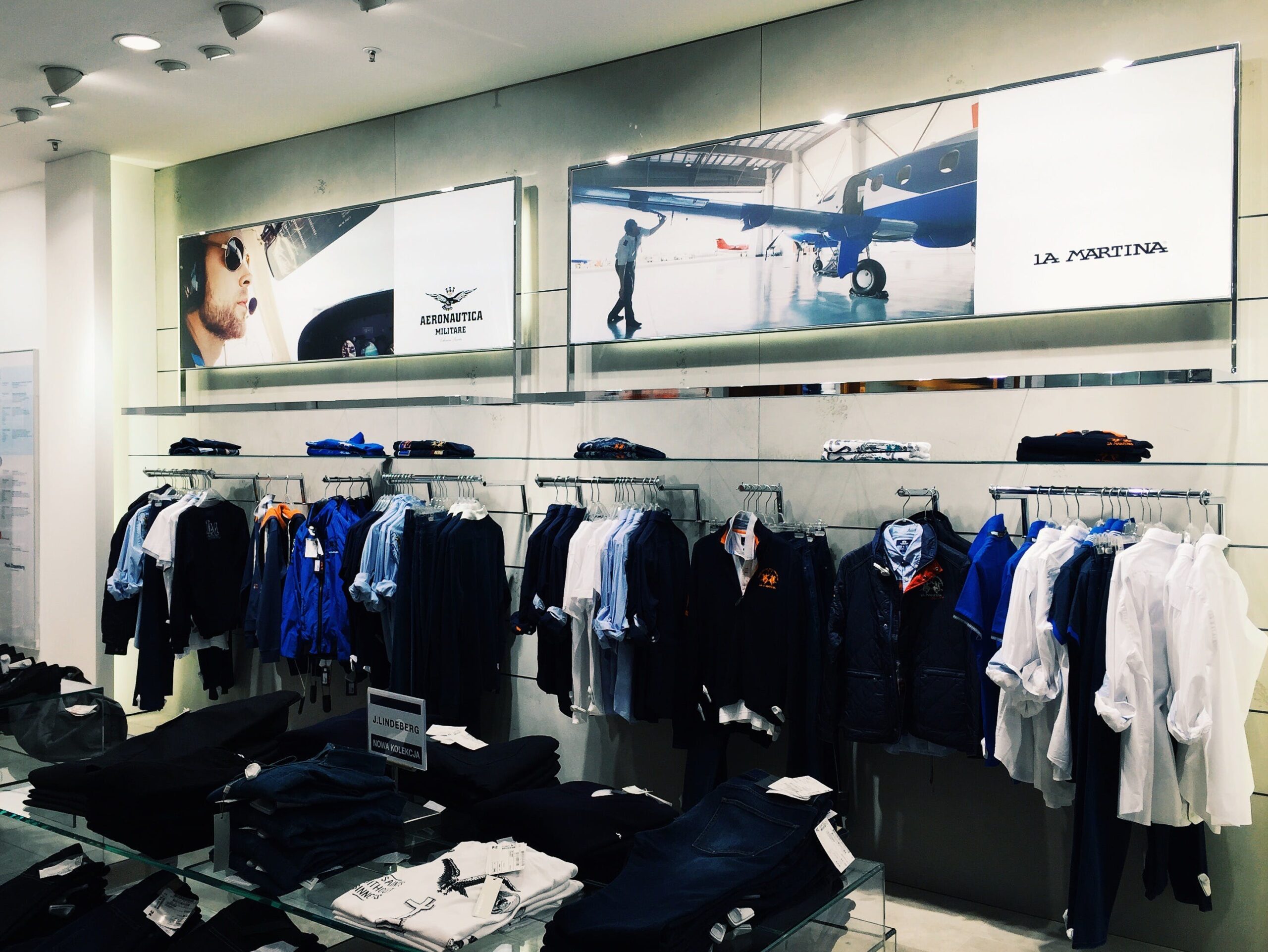
The retail industry is undergoing a significant transformation with the ever-evolving technology landscape. Retailers today are harnessing the power of advanced technologies to provide an enhanced shopping experience, streamline operations, and drive profitability. This article throws light on the top 12 technology trends poised to redefine the retail sector in 2024.
The Power of Predictive Analytics
Predictive analytics, the first trend on our list, has emerged as an invaluable tool for retailers. This technology leverages historical data and machine learning algorithms to predict future trends and behaviours.
Inventory Management
Predictive analytics is particularly effective in inventory management. By analysing consumer spending trends and demand patterns, retailers can optimise inventory levels, reduce excess stock, and ensure timely restocking.
Consumer Behaviour Analysis
Moreover, predictive analytics can help retailers better understand consumer behaviours and preferences. Using AI-driven data analysis, retailers can personalise consumer shopping experiences, thereby enhancing customer satisfaction and loyalty.
Getting Started with Predictive Analytics
To leverage predictive analytics, retailers need to start by collecting and analysing their existing sales data. Then, by partnering with data science engineers, they can turn this data into an effective demand forecasting solution.
The Rise of Social Shopping
Social shopping is another trend that is gaining traction. This trend involves leveraging social media platforms and influencers to inspire shopping decisions. Retailers are increasingly using platforms like Instagram, Pinterest, and Snapchat to showcase their products and influence consumer buying behaviours.
Embracing Environmental and Social Awareness
In today’s world, consumers are more conscious than ever about sustainability and social responsibility. Retailers are responding to this trend by implementing eco-friendly practices such as using biodegradable packaging, sourcing materials from local suppliers, and reducing logistic emissions.
Ensuring Privacy & Cybersecurity for User Data Protection
Data privacy and cybersecurity have become paramount with the increasing digitisation of the retail industry. Retailers are investing in advanced cybersecurity solutions to protect user data and comply with regulations like GDPR and CCPA.
Leveraging Self-Taught Recommendation Engines
Self-taught recommendation engines powered by artificial intelligence are changing the way retailers engage with consumers. These systems analyse customer’s purchase history, wishlist items, and searches to provide personalised product recommendations, thereby enhancing the shopping experience.
Implementing IoT Devices and Wearables
Internet of Things (IoT) devices are playing a crucial role in enhancing in-store management and providing an improved customer experience. IoT devices are helping retailers achieve better efficiency and streamlined operations, from automated checkouts to smart shelves and warehouse automation.
Adapting to eWallets and Digital Payments
Digital wallets and eWallets are reshaping the payment landscape in the retail industry. Customers today prefer making payments using various digital payment methods such as debit and credit cards, online money transfers, mobile wallets like Apple Pay, and even cryptocurrency.
Utilising Voice Assistants
Voice assistants like Google Home, Amazon Alexa, and Apple’s Siri are becoming popular tools for shopping. Retailers are optimising their goods and services for voice search, providing a faster, more accessible, and hands-free way to shop.
Enhancing Shopping Experience with Visual Search
Visual search technology allows customers to find products using images instead of keywords. Retailers are leveraging this technology to provide a unique shopping experience, helping customers to find visually similar products based on an uploaded image.
Preparing for the 5G Revolution
The rollout of 5G technology is expected to impact the retail industry significantly. With 20 times higher speed than 4G, 5G will enable new features such as cloud computing, augmented reality (AR), and virtual reality (VR), thereby enhancing the shopping experience.
Harnessing the Power of Artificial Intelligence and Chatbots
Artificial intelligence and chatbots are transforming the way retailers interact with customers. From providing personalised product recommendations to handling customer communications, AI and chatbots are helping retailers automate operations and enhance customer service.
Streamlining Inventory Management and Tracking
Advanced inventory management and tracking tools enable retailers to streamline operations and reduce costs. These tools provide real-time stock analytics, sales forecasting, and automatic supply chain management, among other benefits.
In conclusion, technology is reshaping the retail landscape, providing retailers new opportunities to enhance customer experience, streamline operations, and drive profitability. By staying abreast of these trends and adapting to the evolving technology landscape, retailers can remain competitive and thrive in the future.
For small to medium-sized retailers in the UK, these technology trends provide tremendous opportunities to drive growth and profitability. While implementing these technologies may involve costs, the long-term benefits of enhanced customer experience, improved operational efficiency, and increased sales could far outweigh the initial investment.
Remember, the future of retail isn’t just about adopting new technologies; it’s about using these technologies to create a more engaging, personalised, and seamless shopping experience for your customers.